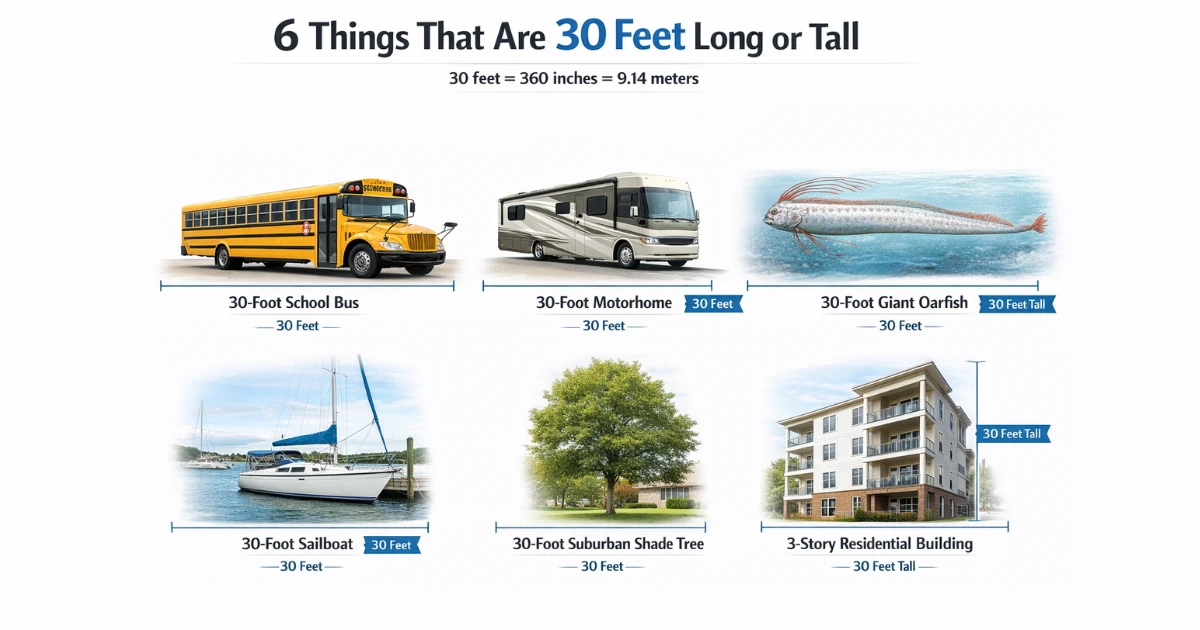
30 feet equals 360 inches or 9.14 meters — a highly practical measurement defining some of the most recognizable vehicles, structures, and natural wonders in American life. You’ll find this scale on highways, campgrounds, marinas, and suburban streets across the country.
This guide shows you 6 real things that are 30 feet long or tall, with clear examples and facts so you never struggle to visualize this measurement again.
How Long Is 30 Feet?
30 feet converts to multiple units:
| Unit | 30 Feet Equals |
|---|---|
| Inches | 360 inches |
| Yards | 10 yards |
| Centimeters | 914.4 cm |
| Millimeters | 9,144 mm |
| Meters | 9.14 m |
A simple way to remember: 30 feet is roughly the height of a 3-story building — a scale most Americans can picture instantly by looking up at any mid-size apartment or office building in their neighborhood.
6 Common Things That Are 30 Feet Long or Tall
Standard Short School Bus
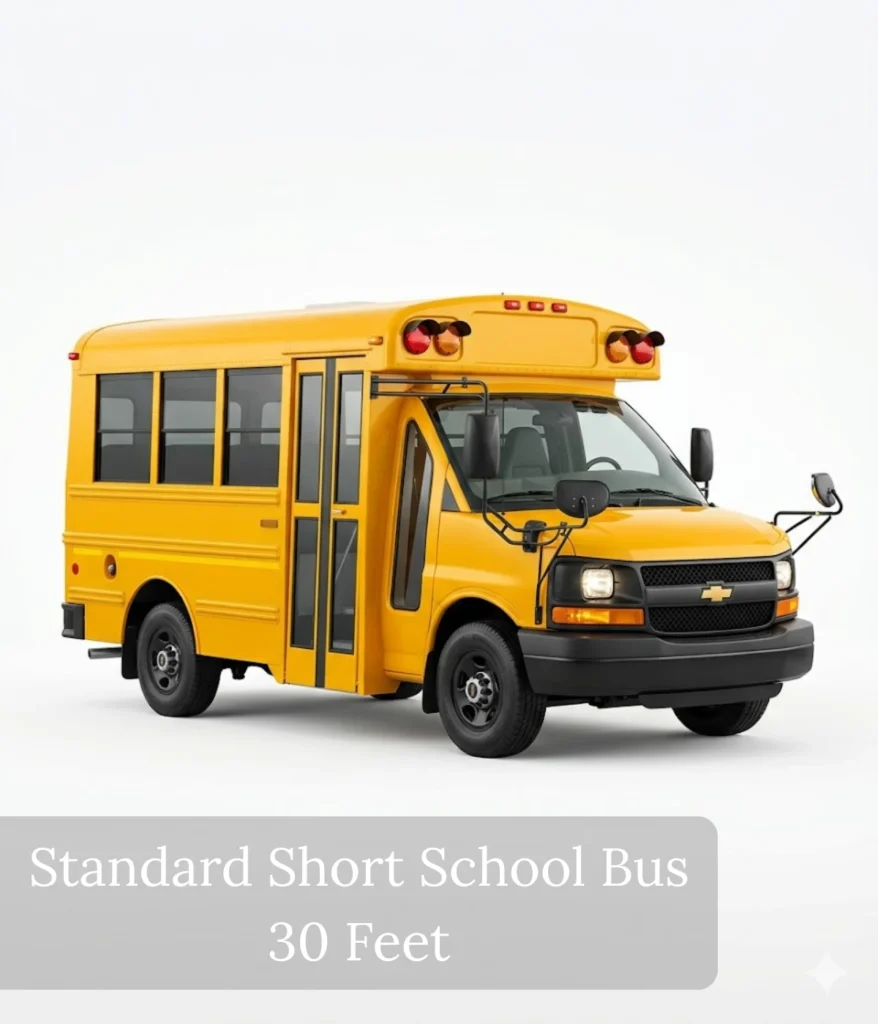
A standard short school bus measures approximately 30 feet in length — the mid-size model transporting students with special needs and smaller student groups across American school districts every single weekday.
Blue Bird and IC Bus both produce their mid-size Type C models at this 30-foot length — compact enough to navigate tight residential streets yet large enough to carry up to 48 passengers comfortably on daily school routes nationwide.
Large Motorhome or Class A RV
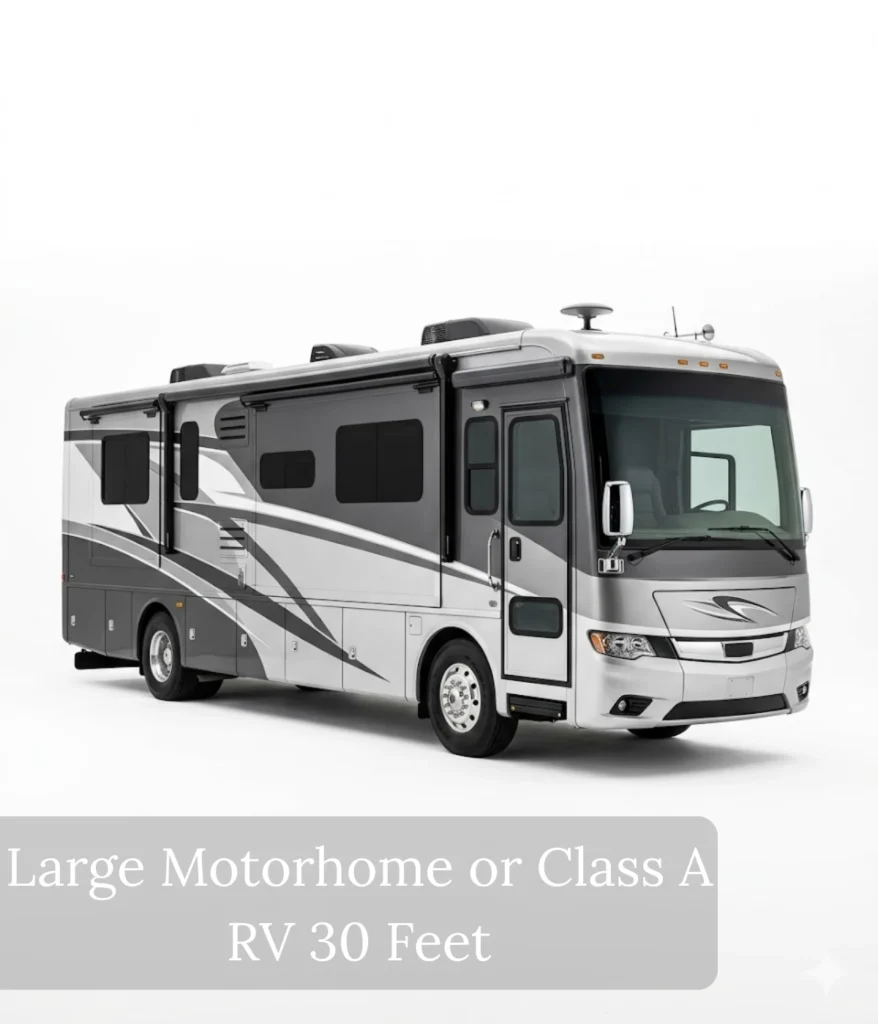
A Class A motorhome measures approximately 30 feet in total length — the most popular size among American full-time RV travelers and seasonal campers who need livable interior space without the handling challenges of larger 40-foot coaches.
Winnebago, Coachmen, and Forest River all produce their most popular 30-foot Class A models because this length fits within standard KOA and state park campsite pad lengths across the United States while providing full kitchen, bathroom, and sleeping accommodations for family travel.
Giant Oarfish

A giant oarfish reaches over 30 feet in total body length — making it the longest bony fish on earth and one of the most dramatic natural-world references for this measurement found in American ocean waters.
NOAA’s National Marine Fisheries Service documents giant oarfish sightings along both the Pacific and Atlantic coasts of the United States, and several 30-foot specimens have washed ashore on American beaches — giving coastal communities a visceral, unforgettable real-world experience of exactly what 30 feet of continuous length looks like.
30-Foot Sailboat or Cabin Cruiser
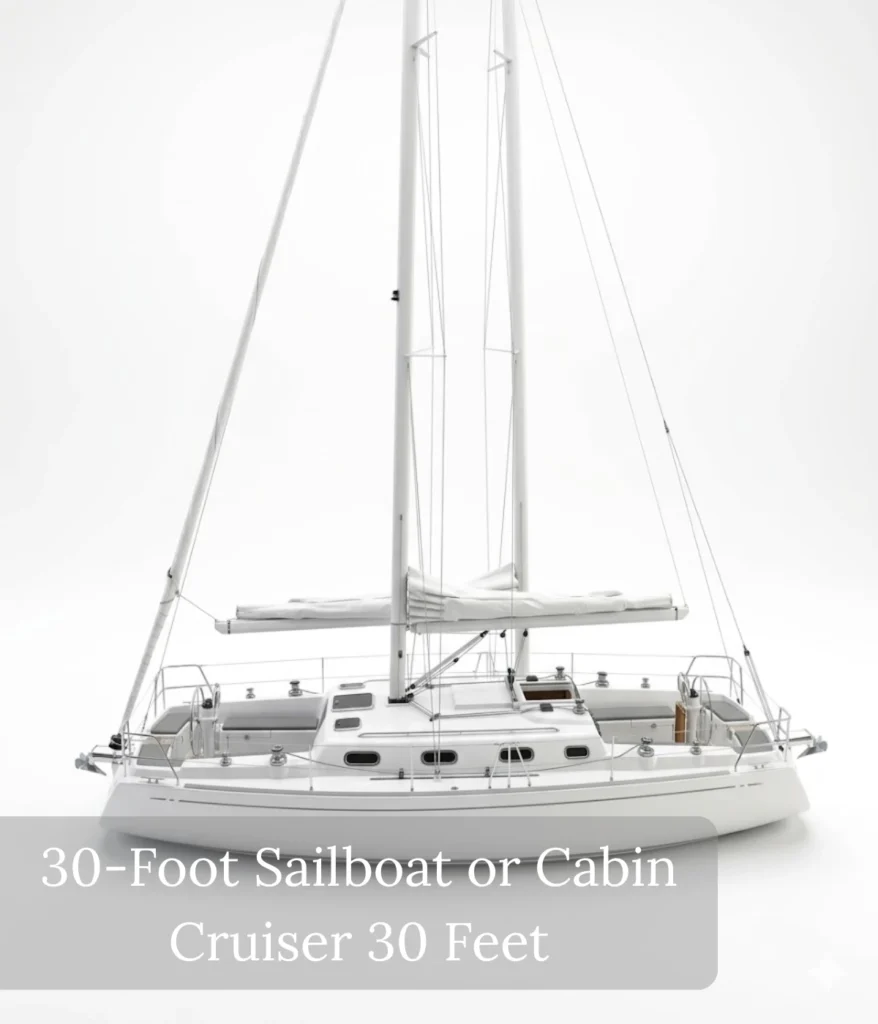
A 30-foot sailboat or cabin cruiser is the most popular entry-level blue-water vessel size in American recreational boating — large enough for weekend coastal cruising and comfortable overnight anchoring, compact enough for standard 30-foot marina slips at harbors nationwide.
Catalina, Hunter, and Beneteau all produce flagship 30-foot models because this hull length delivers the ideal balance between interior cabin comfort and single-handed sailing manageability for American recreational sailors at every experience level.
Mature Suburban Shade Tree

A fully mature suburban shade tree — including common American species like red maple, white oak, and American elm — stands approximately 30 feet tall at full maturity in residential landscapes across the United States.
The Arbor Day Foundation and U.S. Forest Service both classify 30-foot trees as the standard mature height for suburban street trees — the height at which a tree provides full canopy coverage over a residential sidewalk, driveway, and front yard simultaneously.
3-Story Residential Building

A standard 3-story American building stands approximately 30 feet tall — based on the typical 10-foot floor-to-floor height used in U.S. residential and commercial construction across the country.
International Residential Code (IRC) construction standards reference 30-foot building heights consistently in stairwell, egress, and fire safety requirements — making this one of the most legally and structurally embedded 30-foot measurements in American real estate development and neighborhood architecture.
How to Visualize 30 Feet Without a Measuring Tape
These real-world methods help you estimate 30 feet quickly and accurately:
| Method | Accuracy | How To |
|---|---|---|
| 3-Story Building Height | ★★★★★ | Standard 10-foot floor × 3 |
| Short School Bus Length | ★★★★★ | Mid-size Type C school bus |
| 2 Sedan Car Lengths | ★★★★☆ | Standard ~15-foot car × 2 |
| 10-Yard Football Reference | ★★★★★ | First down distance × 3 |
The most reliable method is a 3-story building — look up at any standard three-story apartment, hotel, or office building near you and that roofline sits almost exactly 30 feet above the ground where you’re standing.
Where Does 30 Feet Appear in Daily Life?
Transportation: Short school buses and Class A motorhomes both measure right at 30 feet — two of the most commonly spotted 30-foot vehicles on American residential streets, highways, and campgrounds every single day.
Marine & Recreation: 30-foot sailboats and cabin cruisers define the most popular entry-level blue-water boating segment in America — the hull length that first-time boat owners and experienced coastal sailors both gravitate toward at dealerships and marinas nationwide.
Nature & Wildlife: The giant oarfish at 30 feet and mature suburban shade trees at 30 feet give Americans two dramatically different natural-world references for this scale — one from the deep ocean, one from the front yard.
Construction & Architecture: The 3-story building threshold makes 30 feet one of the most structurally significant measurements in American residential real estate — a height embedded in building codes, zoning regulations, and neighborhood design standards across every U.S. state.
Question’s
How long is 30 feet compared to a human?
30 feet equals roughly 5.5 times the height of an average American adult at 5’8″ — nearly six people stacked head to toe to reach the full 30-foot mark.
How many car lengths is 30 feet?
30 feet equals approximately 2 standard car lengths — based on an average American passenger car length of about 15 feet bumper to bumper.
What is 30 length in feet?
30 feet equals 360 inches, 10 yards, or 9.14 meters — roughly the length of a short school bus, a Class A motorhome, or a 30-foot sailboat at a marina slip.
How tall is 30 feet in stories?
30 feet equals approximately 3 stories in a standard American building — based on the typical 10-foot floor-to-ceiling height used across U.S. residential and commercial construction.
How many cars will fit in 30 feet?
2 standard cars fit comfortably within 30 feet — with a standard American passenger car measuring approximately 15 feet bumper to bumper, leaving minimal space between vehicles.
Is 30 feet a common height for a tree?
Yes — 30 feet is the standard mature height for most suburban shade trees in the United States, including red maple, white oak, and American elm planted along residential streets and front yards nationwide.
How far is 30 feet in a house?
30 feet spans roughly the full length of a standard American ranch-style home — the typical single-story residential footprint measuring between 28 and 32 feet in total length across the front facade.
How far is 30 feet visually?
Picture a short school bus from bumper to bumper, or look up at the roofline of a 3-story building — both deliver an immediate, accurate visual of exactly what 30 feet looks like from ground level anywhere in America.
Final Thoughts
30 feet is a measurement woven deeply into everyday American life — from the school bus stopping at your neighborhood curb to the motorhome heading down the highway to the shade tree canopy covering your front yard.
Whether you’re planning a construction project, shopping for a boat, picking out a campsite, or simply satisfying your curiosity, knowing what 30 feet looks like gives you a genuine practical edge every single day.
Next time you need a quick reference, just picture a short school bus, a Class A motorhome, or a 3-story building roofline — they’re all telling the same story in the same length.