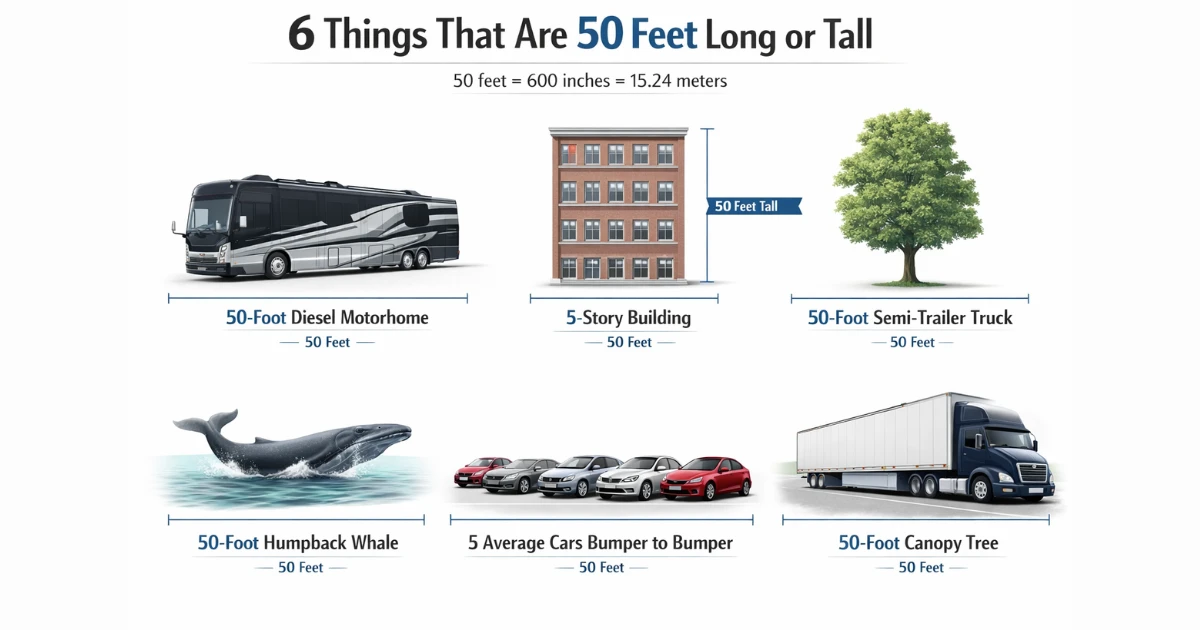
50 feet equals 600 inches or 15.24 meters — a substantial measurement that defines some of the most recognizable vehicles, structures, and natural landmarks in American life. You’ll find this scale on highways, construction sites, campgrounds, and city streets across the country.
This guide shows you 6 real things that are 50 feet long or tall, with clear examples and facts so you never struggle to visualize this measurement again.
How Long Is 50 Feet?
50 feet converts to multiple units:
| Unit | 50 Feet Equals |
|---|---|
| Inches | 600 inches |
| Yards | 16.67 yards |
| Centimeters | 1,524 cm |
| Millimeters | 15,240 mm |
| Meters | 15.24 m |
A simple way to remember: 50 feet is roughly five average cars parked bumper to bumper — a street-level reference most Americans can visualize instantly from any parking lot or neighborhood curb.
6 Common Things That Are 50 Feet Long or Tall
Large Class A Diesel Pusher Motorhome
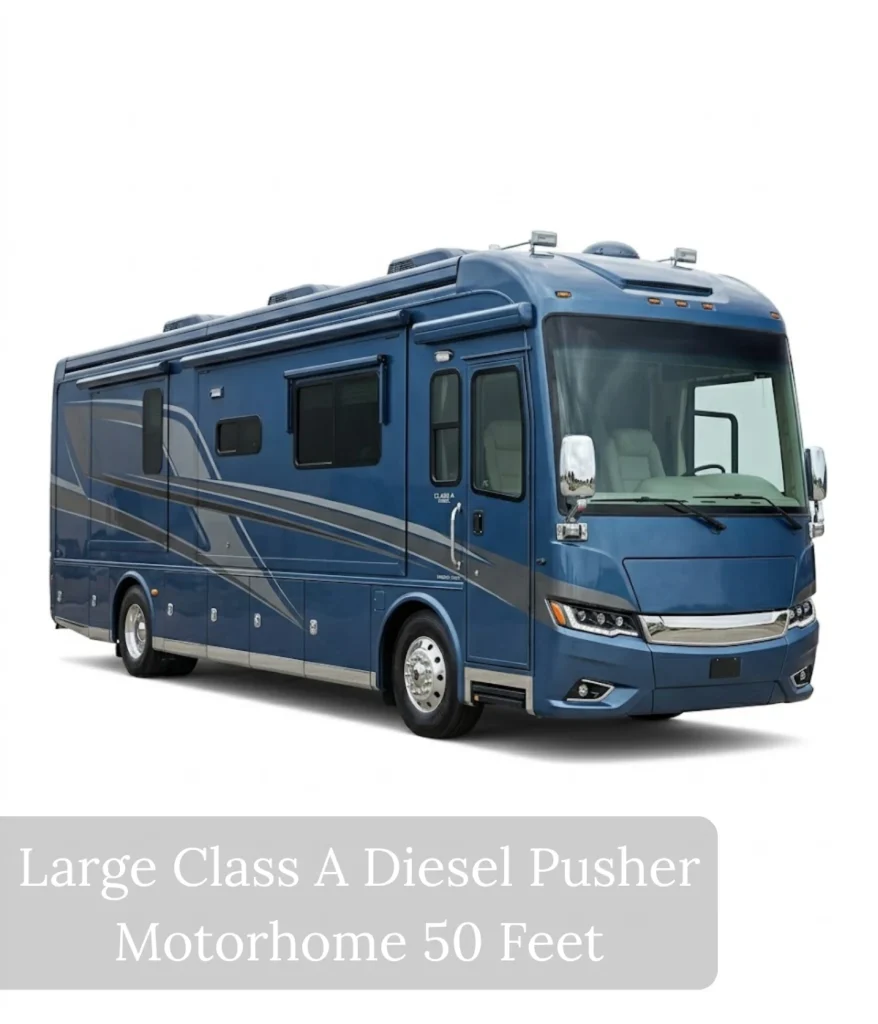
A large Class A diesel pusher motorhome stretches to approximately 50 feet in total length — the most spacious and luxurious end of the American RV market, featuring full slide-out living rooms, king-size bedrooms, and residential-grade kitchen appliances.
Newmar, Tiffin, and Entegra Coach all produce their flagship 50-foot diesel pusher models for full-time American RV travelers who demand hotel-grade interior comfort without sacrificing highway mobility across the United States.
5-Story Building

A standard 5-story American building stands approximately 50 feet tall — based on the typical 10-foot floor-to-floor height used across U.S. residential and commercial construction in cities and suburbs nationwide.
International Building Code (IBC) construction standards reference 50-foot building heights consistently in mid-rise classification requirements — the scale seen in American boutique hotels, urban apartment complexes, and suburban medical office buildings across every major U.S. metropolitan area.
Semi-Trailer Truck (Cab Plus Trailer)

A standard semi-trailer truck — cab plus trailer combined — measures between 48 and 53 feet in total length, putting the most common American freight configuration right at the 50-foot mark on every interstate highway nationwide.
Federal Highway Administration (FHWA) regulations govern semi-trailer lengths on U.S. highways, and Freightliner, Kenworth, and Peterbilt all produce their most popular cab configurations to work within this 50-foot total length standard that American logistics companies plan their loading docks and freight yards around.
Humpback Whale

A fully grown adult humpback whale reaches between 48 and 52 feet in total body length — putting this iconic marine mammal right at the 50-foot mark and making it one of the most emotionally powerful natural-world references for this measurement along American coastlines.
NOAA’s whale watching corridors off the coasts of Massachusetts, California, and Alaska give American tourists regular sightings of 50-foot humpbacks breaching and feeding — one of the most breathtaking real-world experiences of what 50 feet of living scale truly looks like in motion.
Five Average Cars Bumper to Bumper
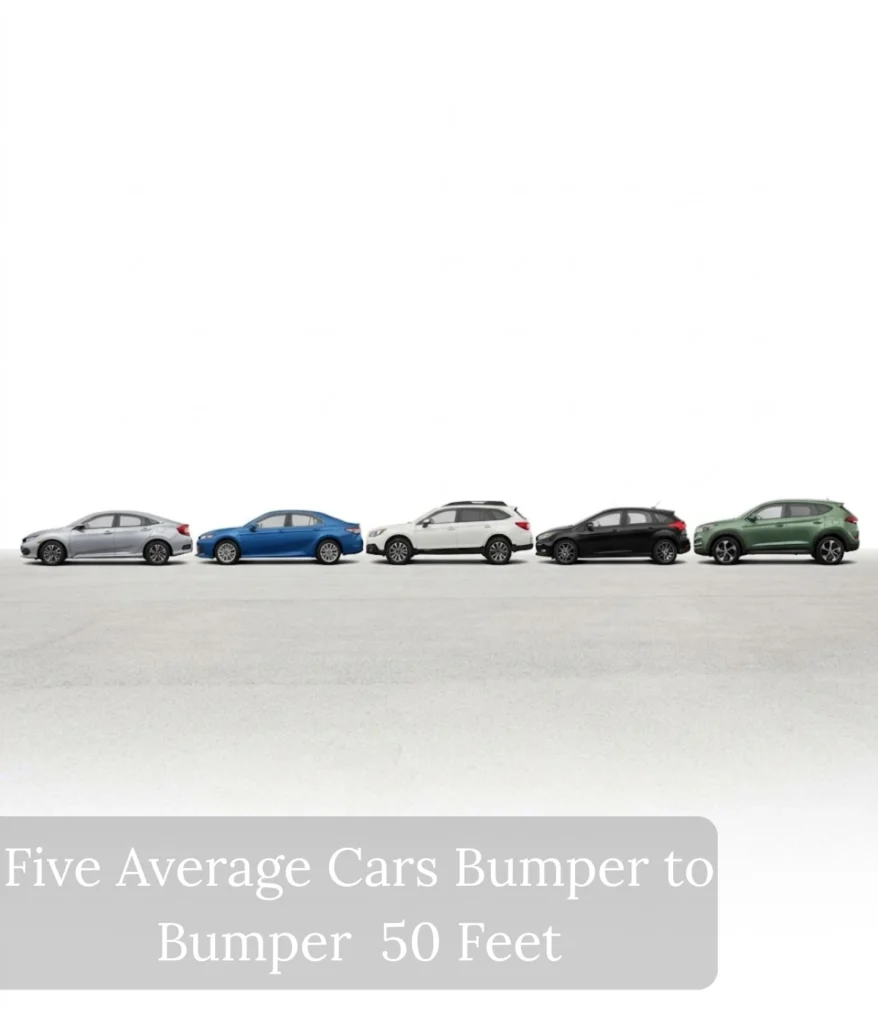
Five standard American passenger cars parked bumper to bumper span almost exactly 50 feet — based on an average car length of 10 feet, making this the most universally accessible street-level reference for this measurement in any American parking lot or residential street.
Every American driver instinctively understands car lengths from daily parking and traffic experiences — which is why traffic safety organizations across the U.S. use 5 car lengths as the recommended safe following distance at highway speeds, translating directly to the 50-foot spacing drivers should maintain between vehicles.
Mature Canopy Tree

A fully mature canopy tree — including American species like tulip poplar, sycamore, and Douglas fir — reaches approximately 50 feet in height at full maturity in residential and suburban landscapes across the United States.
The U.S. Forest Service and Arbor Day Foundation both classify 50-foot trees as large canopy species — the height at which a single tree provides full neighborhood-scale shade coverage, visible rooftop clearance, and meaningful urban heat island reduction in American cities and suburbs.
How to Visualize 50 Feet Without a Measuring Tape
These real-world methods help you estimate 50 feet quickly and accurately:
| Method | Accuracy | How To |
|---|---|---|
| 5 Average Cars Bumper to Bumper | ★★★★★ | Standard ~10-foot car × 5 |
| 5-Story Building Height | ★★★★★ | Standard 10-foot floor × 5 |
| Semi-Trailer Truck Length | ★★★★★ | Cab plus trailer on highway |
| Half a Football Field Width | ★★★★☆ | NFL field is 160 feet wide |
The most reliable method is five cars bumper to bumper — count five standard vehicles lined up in any parking lot or street near you. That combined length measures almost exactly 50 feet and works as an instant reference anywhere in America without any tools.
Where Does 50 Feet Appear in Daily Life?
Transportation & Highways: Semi-trailer trucks at 50 feet are the most common large vehicle on American interstate highways — a daily presence in every U.S. state carrying freight that supplies the entire national retail and manufacturing economy.
Camping & Recreation: 50-foot Class A diesel motorhomes represent the pinnacle of American RV travel — the full-luxury end of a recreational vehicle industry that generates over $50 billion in annual economic activity across the United States.
Nature & Wildlife: 50-foot humpback whales and tall canopy trees give Americans two dramatically different natural-world references for this scale — one from the ocean surface, one from the backyard looking up through the branches.
Urban Construction: The 5-story building threshold at 50 feet makes this one of the most practically significant measurements in American real estate development — a height seen in apartment buildings, hotels, and office complexes defining neighborhood skylines in every U.S. city.
Other Interesting Measurements:
Question’s
How long is 50 feet visually?
Picture five standard cars parked bumper to bumper or look up at a 5-story building roofline — both give an immediate, accurate visual of exactly what 50 feet looks like from ground level anywhere in America.
How many car lengths is 50 feet?
50 feet equals approximately 5 standard car lengths — based on an average American passenger car length of about 10 feet bumper to bumper.
How long is 50 feet compared to a human?
50 feet equals roughly 9 times the height of an average American adult at 5’8″ — nearly nine people stacked head to toe to reach the full 50-foot mark from the ground.
How many floors is 50 feet?
50 feet equals approximately 5 floors in a standard American building — based on the typical 10-foot floor-to-ceiling height used across U.S. residential and commercial construction nationwide.
How tall is 50 feet compared to a building?
A 50-foot building stands 5 stories tall — the mid-rise scale seen in American boutique hotels, urban apartment complexes, and suburban medical office buildings across every major U.S. metropolitan area.
How far is 50 feet when walking?
At a comfortable walking pace of 3 mph, covering 50 feet takes approximately 11 seconds — roughly the time it takes to walk from one end of a semi-trailer truck to the other while it sits at a loading dock.
Final Thoughts
50 feet is a measurement that shapes everyday American life — from the semi-truck hauling freight on the interstate to the luxury motorhome heading to a national park to the humpback whale breaching off the New England coast.
Whether you’re planning a construction project, shopping for an RV, tracking highway safety distances, or simply satisfying your curiosity, knowing what 50 feet looks like gives you a genuine practical edge every single day.
Next time you need a quick reference, just picture five cars bumper to bumper, a semi-trailer truck, or a 5-story building roofline — they’re all telling the same story in the same length.