In the world of specialized transport, weight is not just a number on a scale—it is the primary factor that dictates whether your route is an interstate highway or a 200-mile detour. Every road has a structural “breaking point,” and transportation planning is essentially the art of ensuring your load never threatens to hit it. If your planning isn’t built around the reality of infrastructure limits, you aren’t moving cargo; you’re just racking up fines and downtime.
The Anatomy of an Infrastructure Limit
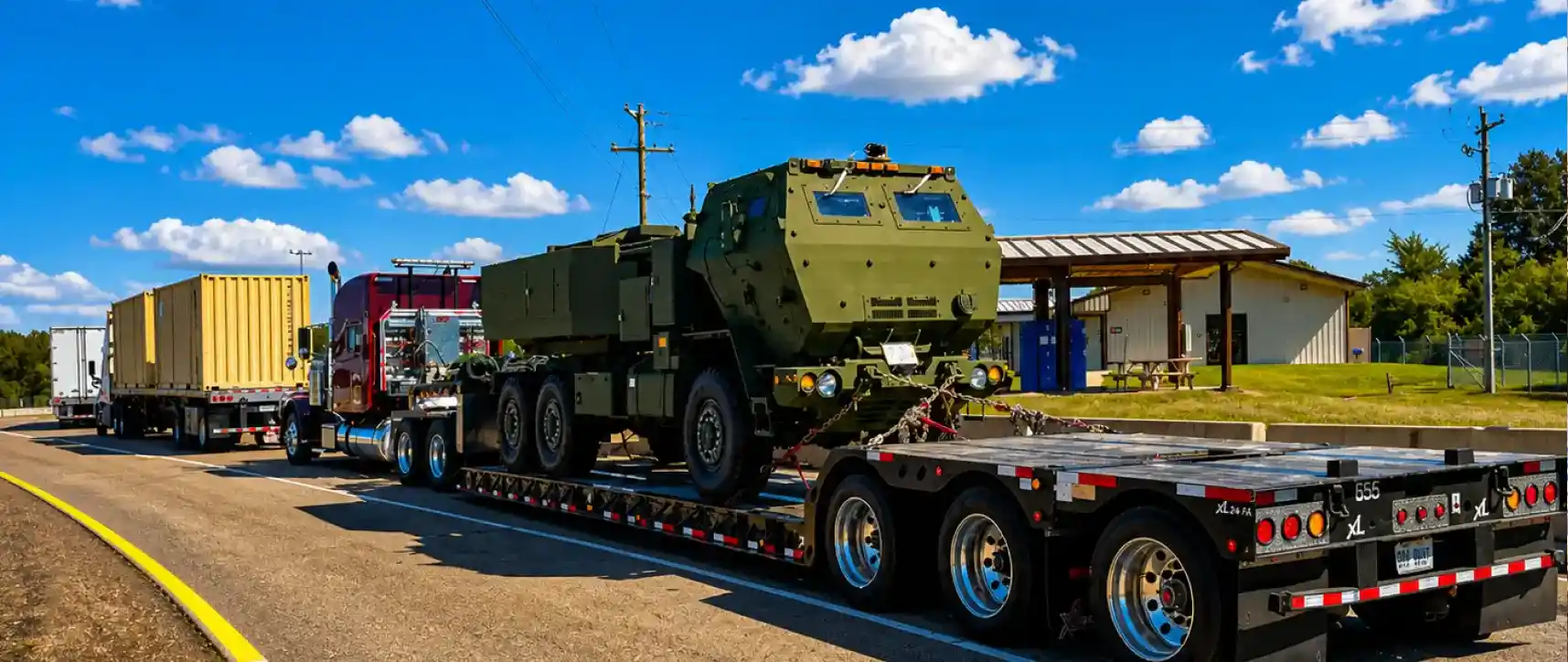
Most logistics planners look at the total weight of the load, but the reality is much more granular. It’s all about weight distribution. A bridge might handle 100,000 pounds if that weight is spread over 50 feet, but fail instantly if that same weight is concentrated over 10 feet.
When you fail to account for these specific axle-load tolerances, you trigger a chain reaction of failures:
- Permit Denial: The state will instantly reject an application for an overweight permit if your axle configuration doesn’t comply with their bridge formula.
- Safety Violations: Attempting to force an overweight load across an unauthorized structure isn’t just illegal—it’s a massive liability that threatens the infrastructure itself.
- Operational Stalling: Once you are flagged for an overweight violation, your load is parked. You don’t move again until you have a new, compliant route and the correct paperwork in hand.
Why Every State Has Its Own Rules
If you are planning a multi-state move, you cannot apply a “one size fits all” strategy to weight. Each state has its own formula for bridge loading, and they are notoriously protective of their infrastructure.
The planning process must be dynamic:
- Axle Spread Calibration: In some jurisdictions, you may need to add an axle or shift cargo positioning to meet specific requirements. This turns the planning phase into an engineering project rather than just a logistics task.
- Bridge-Specific Restrictions: It’s not just about the road; it’s about the weakest link. One small, aged bridge on a secondary route can necessitate an entirely different route plan for the entire convoy.
- The Weight-Permit Connection: Your overweight permit is the legal framework that justifies your existence on the road. If your configuration changes in the slightest—perhaps due to a swap of a tractor or a trailer—you are effectively driving without a permit.
Planning for the “Worst-Case” Route
Professional logistics teams don’t plan for the smoothest path; they plan for the most compliant one. This requires a “bottom-up” approach to route engineering:
- Map the Weight Limitations First: Before you look at distance, identify the load-restricted bridges along potential routes. Use this data as the primary filter for your path.
- Simulation of Loads: Use modeling software to test your axle spacing against state bridge formulas before you even dispatch the truck. Knowing that your configuration will pass the permit office before you submit the application saves days of back-and-forth.
- Audit the Load: Accurate weight data is the bedrock of compliance. If your estimates are off by even a few hundred pounds, you risk being flagged at a scale house. Always use certified scales to verify your total weight and individual axle weights before departing.
The Cost of Reactive Planning
When you don’t integrate weight restrictions into the early stages of transportation planning, the costs explode. You aren’t just paying for extra fuel; you are paying for the time your crew spends parked while you scramble for a new permit or a different route.
In specialized transport, the smartest logistics manager is the one who realizes that the rules are set by the infrastructure, not by the load. If you align your vehicle configuration and your permitting strategy with the limitations of the road, you turn a high-risk operation into a repeatable, efficient process. If you ignore them, you’re only one weigh station away from a project-stopping delay.