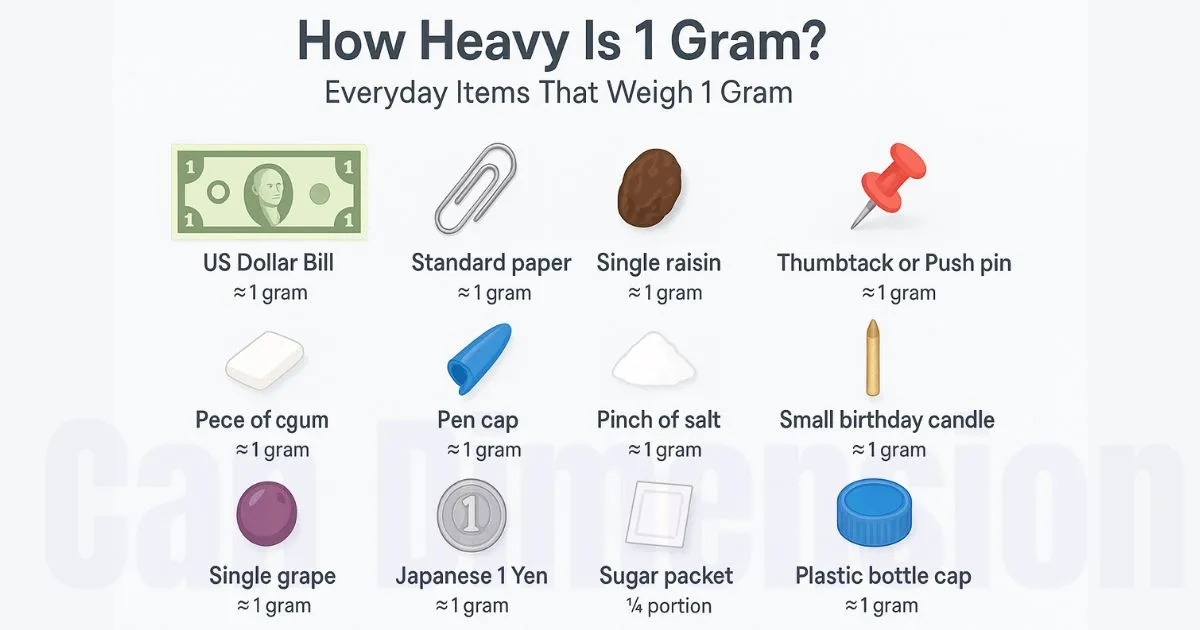
Have you ever wondered how heavy 1 gram really is? Most of us handle gram-weight items every single day without even realizing it. From the dollar bill in your wallet to the paperclip on your desk, these tiny objects help us understand one of the metric system’s smallest measurements.
How Heavy is 1 Gram?
One gram is incredibly light. If you hold a single paperclip, you’re feeling exactly what 1 gram weighs. This tiny unit equals just 1/1000th of a kilogram in the metric system.
To put this in perspective for American readers, 1 gram equals approximately 0.035 ounces or 0.002 pounds. That’s barely anything at all. When you hold something that weighs 1 gram, it feels almost weightless, yet you can still sense it’s there.
Visit This Page pdmeasurement.com for Exploring Interesting Measurements
Think of it this way: 1 gram is the difference between empty hands and barely noticing something. The measurement is so small that scientists and chefs prefer using grams for precision work. You can’t really “feel” the difference between 1 gram and 2 grams without practice.
1 Gram is Equal to:
✅ 1 gram = 1,000 milligrams (medication dosing)
✅ 1 gram = 0.035 ounces (food/cooking)
✅ 1 gram = 0.002 pounds (general weight)
✅ 1 gram = 1 milliliter of water (volume-to-weight)
✅ 1 gram = 5 carats (jewelry/gemstones)
Common Items That Weigh 1 Gram
| Item | Weight | Quick Visual / Fun Fact |
|---|---|---|
| US Dollar Bill | Exactly 1 g | All bills ($1 to $100) weigh the same • 75% cotton, 25% linen |
| Standard Paperclip | Exactly 1 g | Gem-style • Used in WWII as resistance symbol in Norway |
| Single Raisin | ~1 g | Dried grape • 28 raisins = 1 oz (28 g) |
| Thumbtack / Push Pin | ~1 g | Standard size • Holds photos on cork boards |
| Piece of Chewing Gum | Exactly 1 g | One stick or chiclet • Same weight sugar-free or regular |
| Ballpoint Pen Cap | ~1 g | Bic-style • Has air holes to prevent choking |
| Pinch of Salt | ~1 g | Thumb + forefinger • “Salary” comes from Latin for salt |
| Small Birthday Candle | ~1 g | 2-inch wax candle • 12 candles = 12 g |
| Single Grape | ~1 g | Average fresh grape • 60–80 in a bunch = 60–80 g |
| Japanese 1 Yen Coin | Exactly 1 g | 100% aluminum • Can float on water |
| ¼ Sugar Packet | Exactly 1 g | Full packet = 4 g • Restaurant coffee tables |
| Plastic Bottle Cap | ~1 g | Soda/water cap • Billions made daily |
A US Dollar Bill

Every American dollar bill weighs exactly 1 gram, regardless of denomination. Whether you’re holding a crisp $1 bill or a $100 note, the weight stays consistent at precisely 1 gram.
The US Bureau of Engraving and Printing manufactures all bills using 75% cotton and 25% linen. This special blend creates that distinctive texture you feel. The dimensions remain constant too: 6.14 inches long and 2.61 inches wide.
A Standard Paperclip
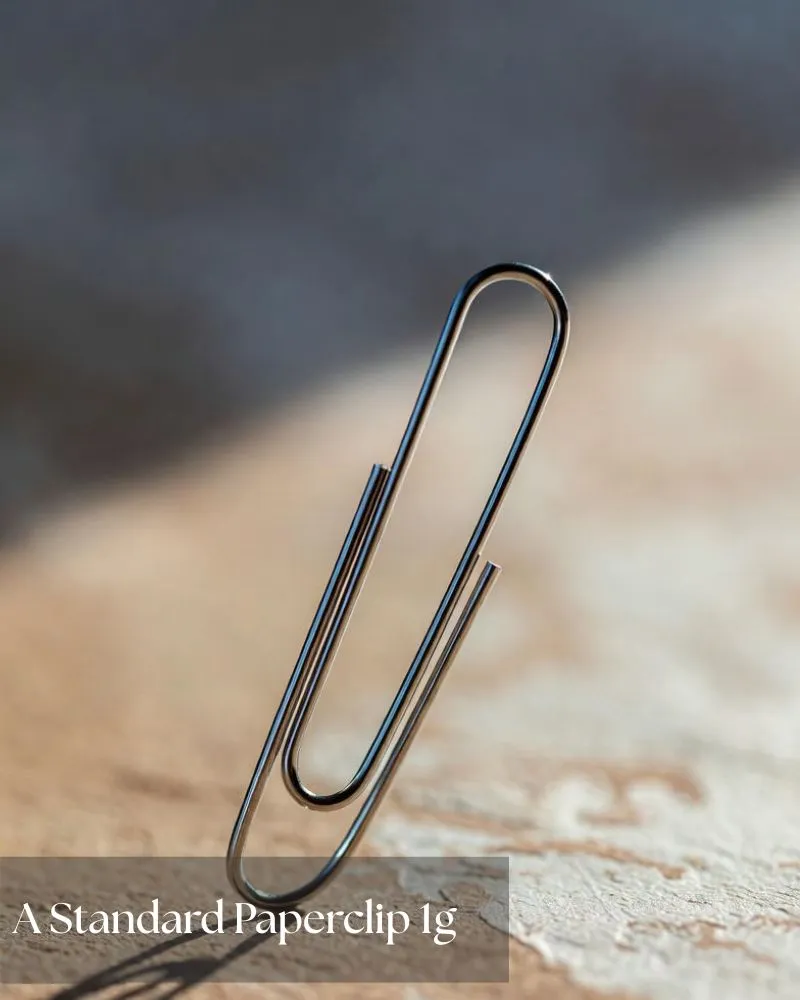
The humble paperclip defines what 1 gram feels like for millions of people worldwide. This bent piece of steel wire has become the universal reference point for gram measurements. When you pick up a standard Gem-style paperclip, you’re holding exactly 1 gram.
These office essentials measure about 1.5 inches in length and contain roughly 3 to 4 inches of wire when straightened. Manufacturing precision keeps their weight remarkably consistent across billions of units produced annually.
A Single Raisin
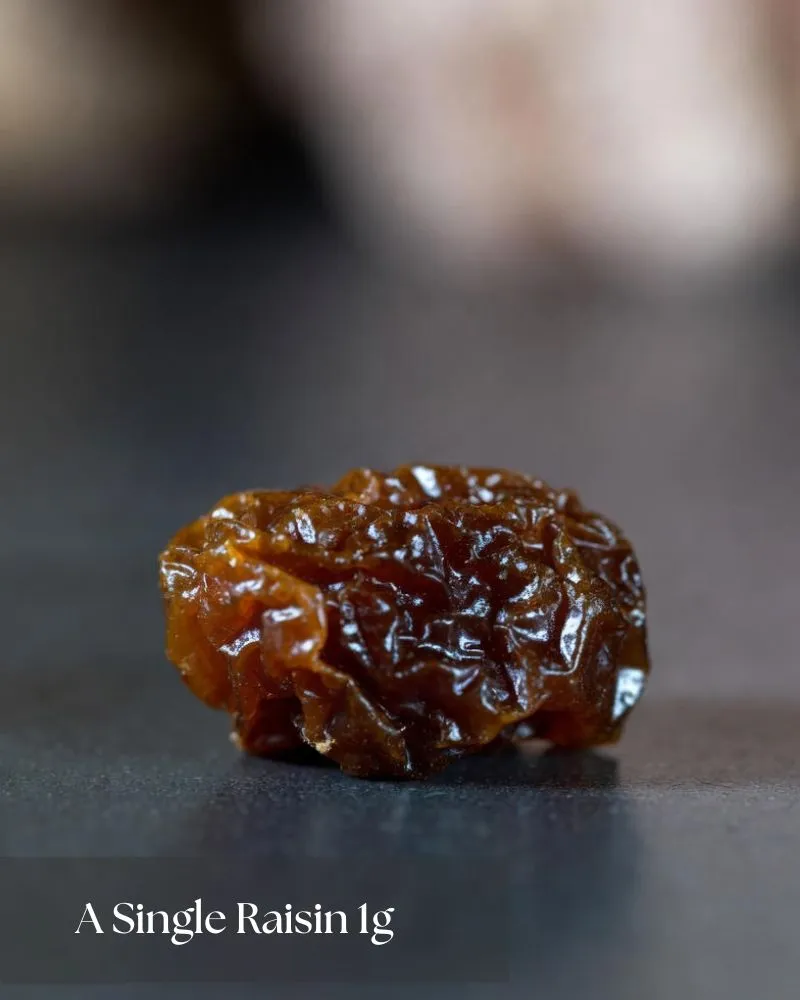
Nature creates near-perfect gram measurements with raisins. These sweet dried grapes typically weigh approximately 1 gram each. The drying process removes about 80% of water content while concentrating sugars and nutrients into a tiny, dense package.
A standard serving of raisins equals about 1 ounce or 28 grams, which means you’re getting 28 to 30 individual raisins in each serving. Professional bakers measure raisins by weight rather than volume for consistent results.
A Thumbtack or Push Pin
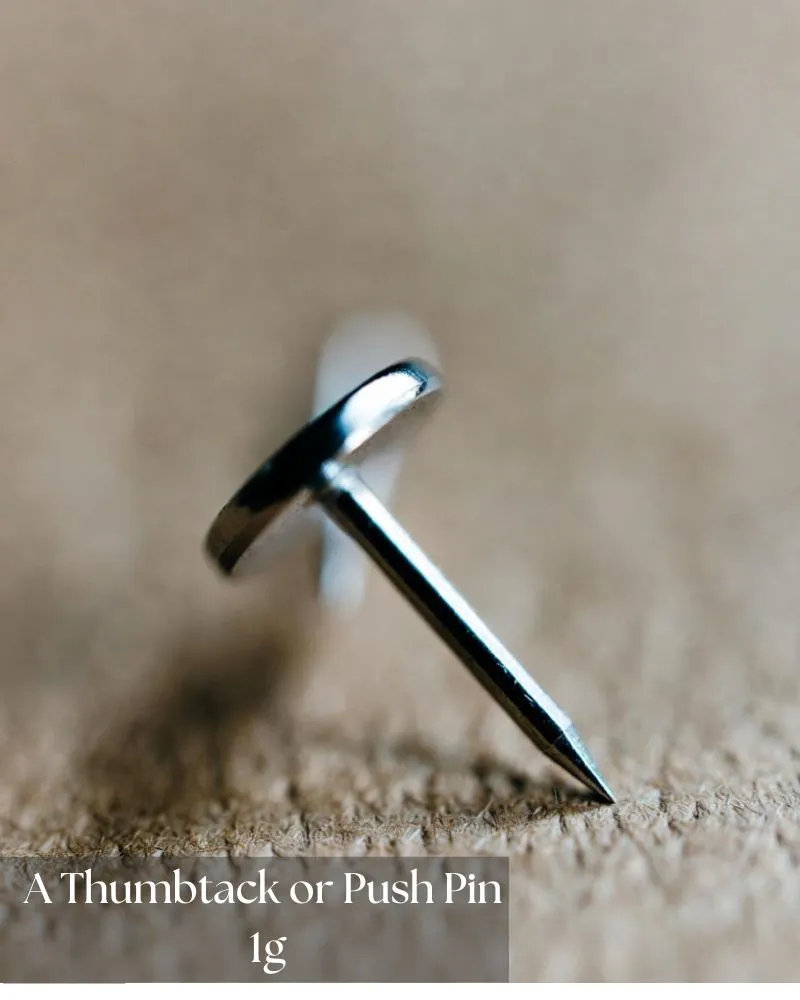
Thumbtacks prove that tiny tools can be mighty. These small organizing essentials weigh about 1 gram for standard sizes. The metal pin combined with the flat plastic or metal head creates the perfect balance of strength and lightness.
You find thumbtacks everywhere from home bulletin boards to office cork boards. Despite weighing just 1 gram, they hold papers, photos, and reminders securely in place. The lightweight design means they don’t damage walls significantly when removed.
A Piece of Chewing Gum

Your pocket-sized breath freshener weighs exactly 1 gram. A single stick of chewing gum, whether it’s the classic rectangular shape or a small chiclet, typically hits this measurement perfectly.
The composition includes gum base, sweeteners, and flavoring agents. Despite these varied ingredients, manufacturers maintain consistent weight for packaging and quality control. Ancient Greeks chewed tree resin for oral health, making gum one of humanity’s oldest treats.
A Pen Cap from a Ball Pen

Have you ever noticed how light a pen cap feels? That’s because typical caps from standard ballpoint pens, like those from Bic brand, weigh approximately 1 gram. The lightweight plastic design serves multiple purposes beyond just covering the pen tip.
Most pen caps feature small ventilation holes as a safety feature. If a child accidentally swallows a cap, these holes allow air passage, preventing choking. This thoughtful design shows how even 1-gram objects receive careful engineering attention.
A Pinch of Salt
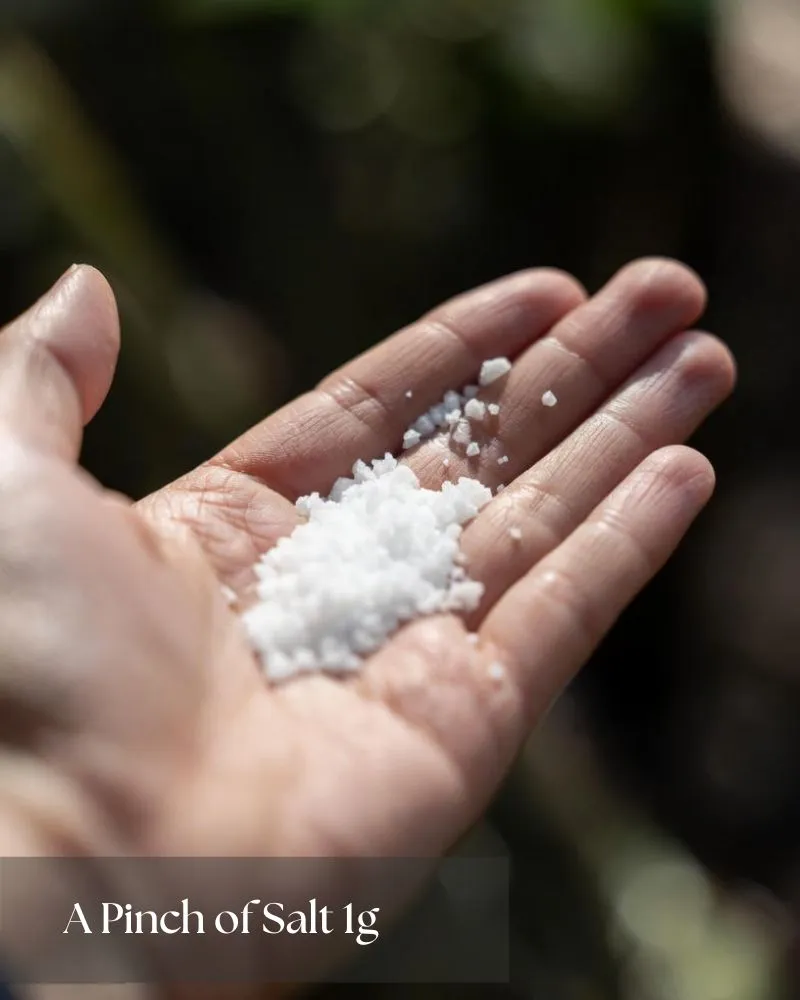
Professional chefs define a pinch as exactly what you can hold between your thumb and forefinger—which conveniently equals about 1 gram. This measurement has been standardized in culinary schools worldwide.
The fascinating origin of the word “salary” comes from “salarium,” the Latin term for salt payments given to Roman soldiers. This makes your 1-gram pinch of salt connected to ancient compensation systems that shaped civilization.
A Small Birthday Candle

Celebration candles bring joy without adding weight. Those colorful 2-inch birthday candles you stick on cakes weigh approximately 1 gram each. Made from paraffin wax or beeswax, they’re designed to burn briefly while making wishes memorable.
The ancient Greeks started the tradition of putting candles on cakes for the goddess Artemis. Modern birthday candle traditions emerged in 18th-century Germany. Now these tiny 1-gram symbols of celebration appear on cakes worldwide.
A Single Grape
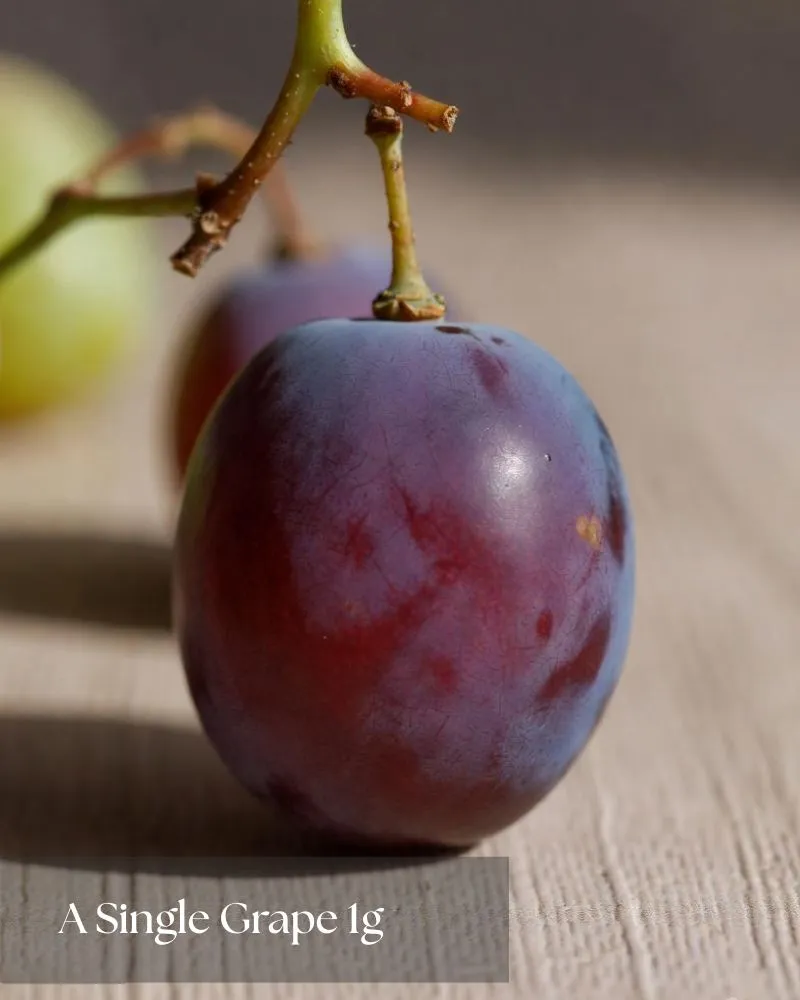
Fresh grapes provide nature’s perfect 1-gram reference. Depending on the variety, a single grape typically weighs between 0.8 and 1.2 grams, with most falling right at 1 gram. These juicy fruits pack impressive nutrition into their small size.
Grapes come in green, red, and black varieties, each offering different flavor profiles. They contain natural sugars, vitamins C and K, and powerful antioxidants. Archaeological evidence suggests grape cultivation dates back 8,000 years.
A Japanese 1 Yen Coin

Japan’s currency system provides the world’s most precise 1-gram reference. The Japanese 1 yen coin weighs exactly 1 gram by intentional design. Made from 100% aluminum, it’s the lightest circulating coin anywhere on Earth.
This remarkable coin can actually float on water due to surface tension combined with its minimal weight. The production cost exceeds the coin’s actual value, making it a fascinating economic curiosity. The design features a young tree seedling, symbolizing growth and prosperity.
A Sugar Packet
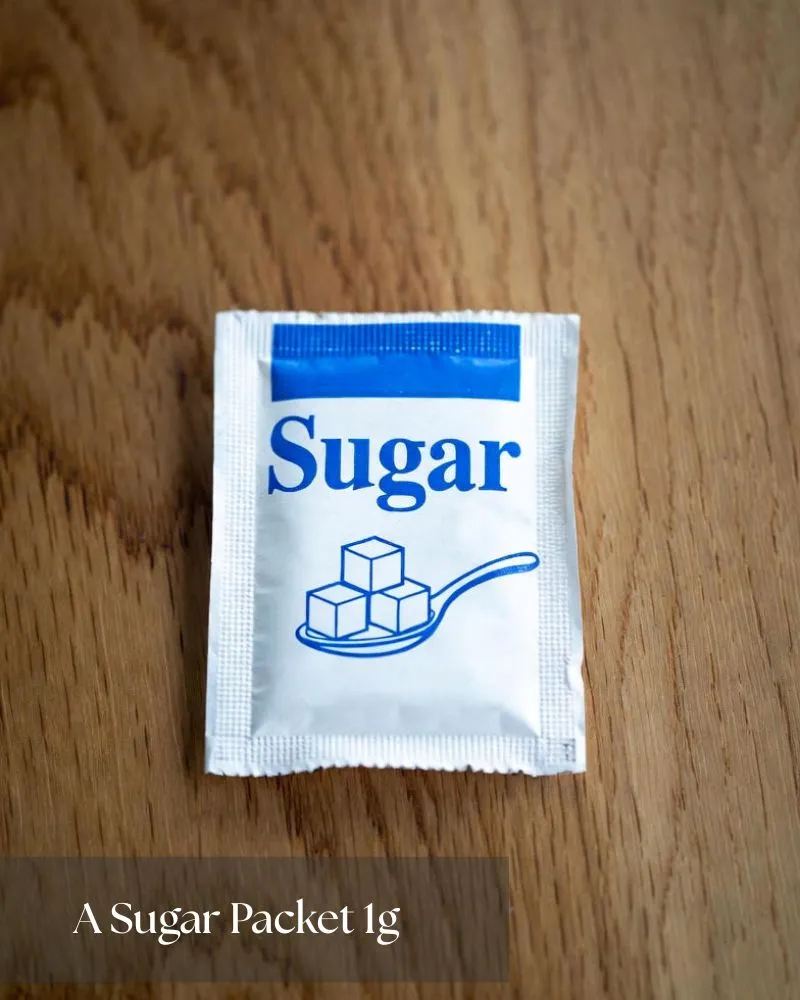
Restaurant tables worldwide stock the perfect gram reference. Those small white sugar packets you find next to coffee contain about 4 grams total, but one-quarter of that packet equals 1 gram exactly.
This measurement takes on health significance when you consider that the American Heart Association recommends limiting added sugar to 25 grams daily for women and 36 grams for men. Visualizing 1 gram helps track consumption more effectively.
A Plastic Bottle Cap
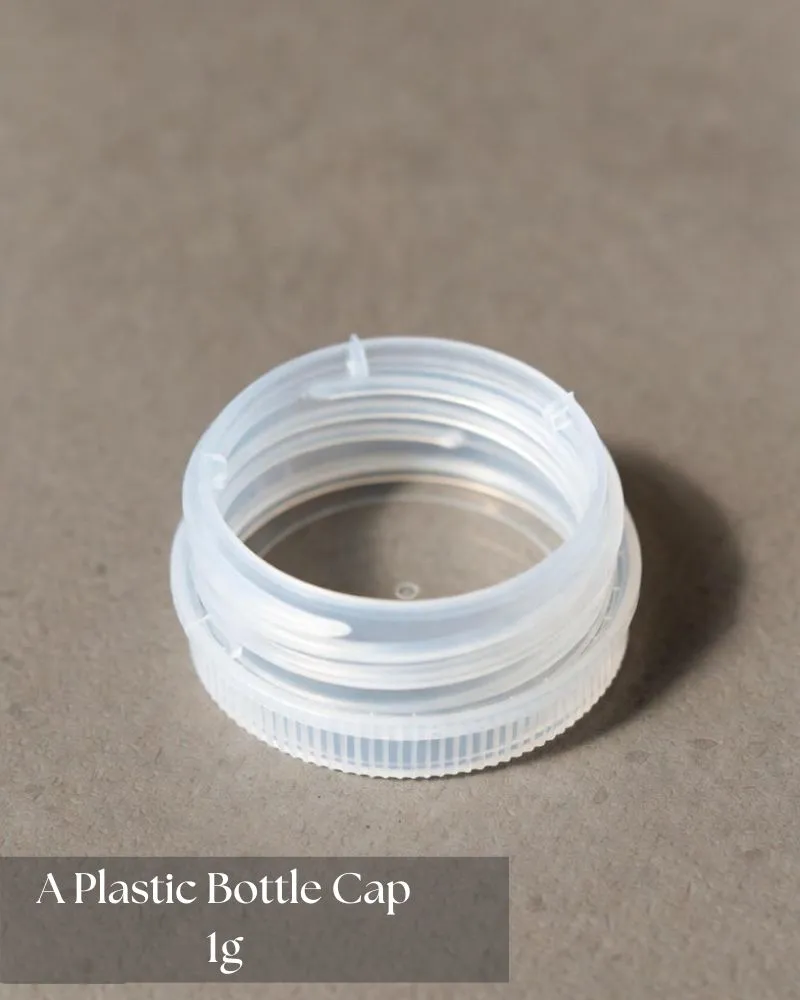
The caps protecting your beverages weigh barely anything. Standard plastic bottle caps, whether from soda bottles, water bottles, or juice containers, typically weigh approximately 1 gram. Made from polyethylene plastic, they balance security with minimal weight.
These caps might seem insignificant, but manufacturers produce hundreds of millions daily worldwide. The lightweight design reduces shipping costs and material expenses while maintaining a tight seal that prevents leaks.
How to Estimate 1 Gram Without a Scale
The Paperclip Method
Keep standard paperclips accessible for instant weight comparisons. Hold one in your palm, then compare unknown items against that familiar feeling. This remains the most reliable household estimation technique available.
Practice makes perfect with this method. Collect several paperclips and practice holding 1 gram, 5 grams, and 10 grams to train your hand’s sensitivity. Professional chefs develop this intuitive sense through years of practice.
Currency Comparison
US dollar bills provide the most convenient reference for Americans. Since every denomination weighs exactly 1 gram, you always carry a measuring tool in your wallet. Hold the bill in one hand and your unknown item in the other for direct comparison.
This method works particularly well for flat, lightweight objects similar to paper in texture and weight. It’s less effective for dense, small items like jewelry or screws.
The Water Volume Method
One milliliter of water equals exactly 1 gram. This unique property of water makes it scientifically the most accurate home measurement possible. Use a medicine dropper, syringe, or precise measuring spoon to measure 1 ml of water.
This technique requires a small container or scale, but it demonstrates the fundamental relationship between volume and mass in the metric system. At room temperature, water maintains this 1:1 ratio perfectly.
Question’s
What weighs exactly 1 gram?
A US dollar bill weighs precisely 1 gram regardless of denomination. The Japanese 1 yen coin also weighs exactly 1 gram by design. Other common items include standard paperclips, single raisins, thumbtacks, and plastic bottle caps.
What is an example of a gram?
The standard metal paperclip is the universal gram example. It’s accessible to nearly everyone and perfect for understanding this measurement. A US dollar bill and a single grape are also excellent examples of 1 gram.
How much does 1 gram look like?
One gram doesn’t have a specific appearance because weight and size differ. Think of it as barely noticeable weight in your hand—like holding a paperclip, dollar bill, or single grape. Different materials at 1 gram look completely different due to density.
Does a paperclip weigh 1 gram?
Yes, a standard paperclip weighs approximately 1 gram. However, jumbo paperclips weigh 1.5-2 grams and mini paperclips weigh 0.5-0.7 grams. The standard office size remains the reliable 1-gram reference.
How many grams is a normal paper?
A standard sheet of printer paper weighs 4.5-5 grams, not 1 gram. To get 1 gram of paper, you need approximately one-fifth of a sheet. Paperback book pages are thinner and weigh closer to 1 gram each.
Can a metal detector detect a paper clip?
Yes, metal detectors easily detect paperclips despite weighing only 1 gram. They’re made from steel wire, which responds strongly to electromagnetic fields. Detection depends on metal composition, not weight.
Can I use my phone as a gram scale?
No, smartphones cannot accurately measure 1 gram. They lack necessary pressure sensors for small weights. Instead, buy a digital pocket scale for $10-20 that measures accurately down to 0.01 grams.
Does a dollar bill weigh 1 gram?
Yes, every US dollar bill weighs exactly 1 gram when new, regardless of denomination. Made from 75% cotton and 25% linen, this precise weight helps detect counterfeit bills in automated counting machines.
Is 1 gram equal to 1 spoon?
No, grams measure weight while spoons measure volume. One teaspoon of water equals 5 grams. One-quarter teaspoon of sugar equals about 1 gram. Different substances weigh differently even in the same spoon volume.
Conclusion
Knowing what 1 gram weighs transforms how you interact with everyday objects. From the paperclip organizing your desk to the dollar bill in your wallet, these tiny measurements surround you constantly. Each item offers a unique window into understanding precision and standardization.
Practical benefits extend far beyond curiosity. Whether you’re measuring ingredients in the kitchen, tracking medication dosages, or teaching children about the metric system, this knowledge proves invaluable. The ability to estimate 1 gram without a scale develops naturally once you familiarize yourself with these common references.

Haru, the dedicated Admin of candimension.com, curates an informational blog on Can Dimension. With passion and expertise, Haru delivers insightful articles to educate and empower readers on this fascinating niche.