Choosing the right mattress size can make or break your sleep quality. A full size bed offers more space than a twin but costs less than a queen, making it a popular middle-ground option for many sleepers.
This guide breaks down everything you need to know about full size bed dimensions, from exact measurements to whether it’s the right fit for your bedroom and sleeping situation.
What Are Full Size Bed Dimensions?
Exact Standard: 54″ W x 75″ L (No Variations!)
Quick Tip to Avoid Confusion
Always match your frame to 54×75″ – Most are fixed, but adjustable ones fit multiples. No sizing mix-ups!
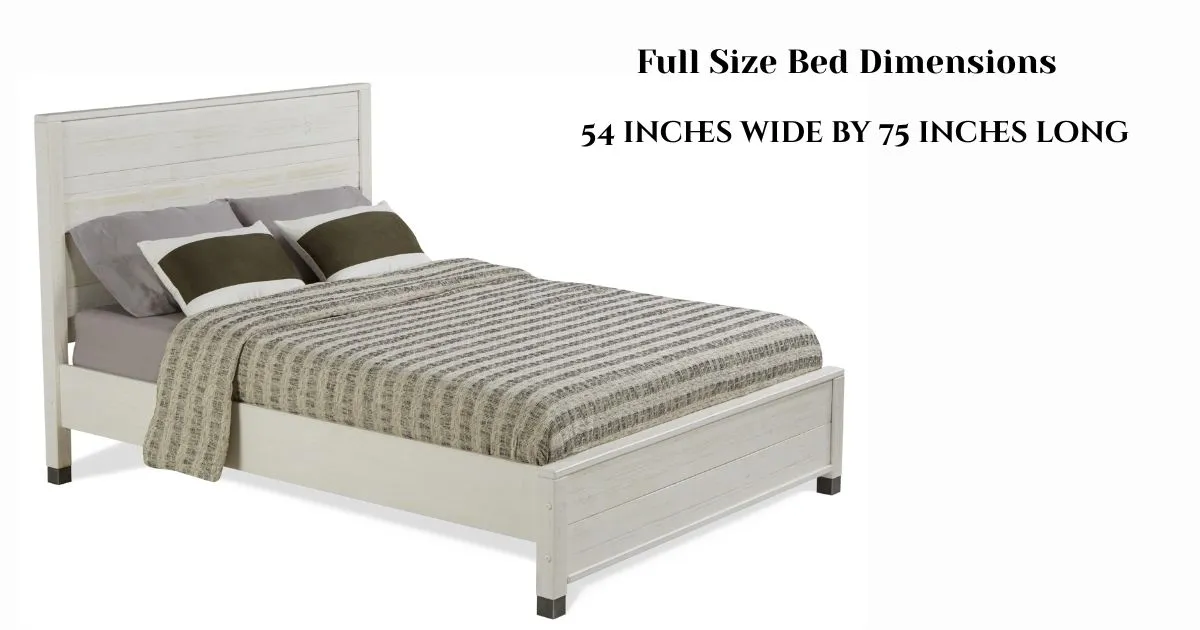
A full size bed measures 54 inches wide by 75 inches long. This gives you 4.5 feet of width and 6.25 feet of length to stretch out during sleep.
Full beds are also called double beds, and these terms mean the exact same thing. The naming varies by region, but the dimensions never change. Manufacturers follow strict industry standards to ensure consistency across all brands.
The mattress thickness typically ranges from 8 to 14 inches. Thicker mattresses (12-14 inches) usually contain more comfort layers and support materials. Standard full mattress dimensions provide 4,050 square inches of sleeping surface, which breaks down to about 27 inches of width per person if two people share the bed.
Most full size mattresses can support 400-600 pounds total weight depending on construction quality. Innerspring and hybrid models generally handle more weight than all-foam options. The bed frame should match these exact 54×75 dimensions, though some frames accommodate multiple sizes with adjustable rails.
Standard Mattress Size Comparison Chart
Find the perfect fit! All dimensions in inches. Industry standards ensure consistency – no surprises here.
Pro Tip: Space Check
Measure your room first! Add 2-3 ft on each side for easy access.
No Confusion Here
Full/Double are identical – regional names only. Frames match exactly!
Upgrade Path
Start with Queen for most – balances space & affordability.
Color-coded by popularity: Green for basics, Orange for mid-tier, Blue & up for premium!
Full Size Bed vs Other Mattress Sizes: Side-by-Side Comparison
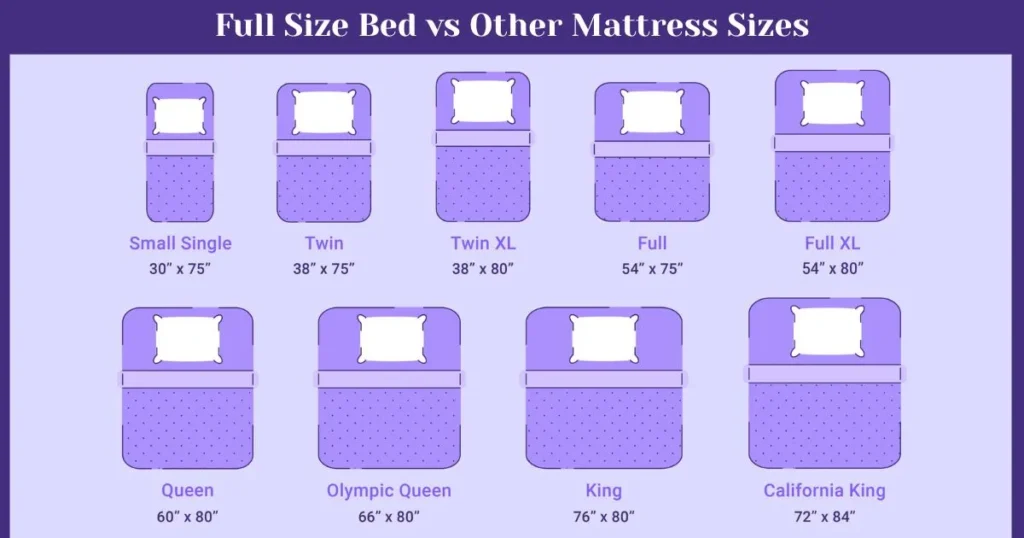
Full vs Twin beds give you 16 extra inches of width (38″ vs 54″). This additional space makes a huge difference for adult sleepers who feel cramped on twin mattresses. However, both share the same 75-inch length, which can be problematic for taller individuals.
The full vs queen bed debate is where most shoppers get stuck. A queen mattress measures 60×80 inches, providing 6 more inches of width and 5 more inches of length. That extra width means 30 inches per person instead of 27 inches. The added length accommodates sleepers up to 6’8″ comfortably, while full beds max out around 6’3″.
Price differences between full and queen typically range from $100-300 depending on the brand and materials. Queen bedding costs slightly more too, usually $20-50 extra for sheet sets. But that investment often pays off in better sleep quality and longer mattress lifespan.
Room size requirements vary significantly. A full bed needs at least 10×10 feet of bedroom space (100 square feet). Queens require 10×12 feet minimum (120 square feet) for comfortable movement around the bed. Kings need even more at 12×12 feet (144 square feet).
Common Full Size Bed Dimension Myths Debunked
Is 60×80 a full size? No, that’s actually queen size dimensions. This confusion happens frequently because the measurements sound similar. A full is 54×75, making it 6 inches narrower and 5 inches shorter than a queen.
Are full and double beds the same size? Yes, completely identical. “Full” and “double” are just different names for the same 54×75 mattress. Furniture stores use both terms interchangeably, which can confuse first-time buyers.
How wide is a full size bed? Exactly 54 inches, or 4.5 feet. This width determines whether two people can sleep comfortably together. Most sleep experts recommend at least 30 inches per person for quality rest.
Full Size Bed Drawbacks and Limitations You Should Know
Length restrictions create the biggest problem for taller individuals. At only 75 inches long, anyone over 6’3″ will have their feet hanging off the edge or their head pressed against the headboard. This forces uncomfortable diagonal sleeping positions that reduce sleep quality.
Width constraints for couples make sharing difficult. With just 27 inches per person, you’re getting less individual space than a twin bed provides. Most adults need 30-36 inches for comfortable sleep. Partners will feel every movement, roll, and position change throughout the night.
Co-sleeping with children or pets becomes nearly impossible on a full mattress. Adding a toddler or medium-sized dog eliminates personal space entirely. Light sleepers particularly struggle with the constant disturbances from movement in such close quarters.
Motion transfer issues amplify when two people share a full bed. Every time your partner moves, you’ll feel it. This disrupts sleep cycles and reduces overall rest quality. Even the best motion-isolating mattresses can’t fully compensate for inadequate width.
Other Dimensions: King vs. California King Dimensions: Mattress Size’s
Question’s
What are the dimensions of a full-size bed?
A full size bed measures exactly 54 inches wide by 75 inches long. This standard sizing applies across all manufacturers and brands in the United States. The mattress provides 4,050 square inches of sleeping surface total.
Are full and double beds the same size?
Yes, full and double beds are identical. Both terms describe a 54×75 inch mattress. “Full” is more commonly used in modern furniture retail, while “double” appears more often in older homes and international markets.
Is 60×80 a full size?
No, 60×80 describes a queen size mattress. Full beds measure 54×75, making them 6 inches narrower and 5 inches shorter than queens. This confusion causes many purchasing mistakes, so always verify exact dimensions before buying.
Can two people sleep in a full?
Two people can technically sleep in a full bed, but it’s cramped. Each person gets only 27 inches of width, less than a twin bed provides. Small couples or those comfortable with close contact may manage, but most adults prefer queen size minimum for shared sleeping.
What are the drawbacks of a full-size bed?
The main drawbacks include limited 75-inch length for tall sleepers, insufficient width for comfortable couple sleeping, reduced personal space causing motion transfer issues, and lower resale value. Anyone over 6’3″ or couples prioritizing sleep quality should consider larger options.
What is the best size bed for 2 people?
Queen size (60×80) serves as the minimum recommended bed for couples. It provides 30 inches per person versus 27 inches on a full. King size (76×80) offers even better comfort at 38 inches per person for those with adequate bedroom space.
Can a 6’4″ person fit on a full size bed?
No, a 6’4″ person cannot fit comfortably on a 75-inch full bed. They would need at least 76-77 inches of length for proper head and foot clearance. Twin XL (38×80), queen (60×80), or California king (72×84) better accommodate taller sleepers.
How wide is a full-size bed?
A full size bed is 54 inches wide, or 4.5 feet. This width determines sleeping comfort, especially for couples. Compared to a queen’s 60-inch width, the 6-inch difference significantly impacts personal space and movement during sleep.
Is a queen worth it over a full?
For most buyers, yes, a queen is worth the extra investment. The additional 6 inches of width and 5 inches of length dramatically improve comfort. The typical $100-300 price difference pays for itself through better sleep quality and greater versatility for future needs.
Conclusion
Full size bed dimensions (54×75 inches) work perfectly for solo sleepers, small bedrooms, and budget-conscious buyers. The mattress provides adequate space for one person while costing significantly less than larger options.
However, couples and tall individuals should seriously consider queen size instead. The extra width and length make a substantial difference in sleep comfort and quality.
Measure your bedroom carefully, think about your sleeping situation now and in the near future, and choose the size that truly fits your needs. A well-chosen mattress impacts your sleep for the next 7-10 years.

Haru, the dedicated Admin of candimension.com, curates an informational blog on Can Dimension. With passion and expertise, Haru delivers insightful articles to educate and empower readers on this fascinating niche.