
Your living room feels cramped, but you’re not sure if it’s actually small or just poorly arranged. Understanding the average living room size helps you make smarter furniture choices and design decisions that transform your space.
Most American living rooms measure between 200 to 400 square feet, with the most common size being 12×18 feet (216 square feet).
Whether you’re working with a cozy apartment or a spacious home, knowing standard dimensions gives you confidence to create a functional, beautiful space that fits your lifestyle.
What is the Average Size for a Living Room in the USA?
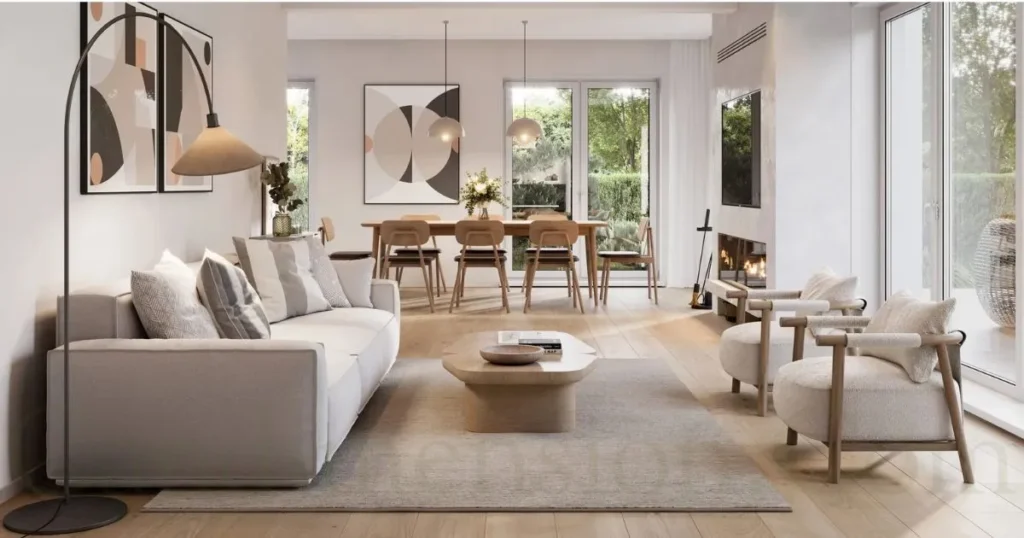
The typical living room size in American homes ranges from 200 to 400 square feet. This translates to dimensions between 12×18 feet and 15×20 feet, depending on your home type and location.
Urban apartments usually feature smaller living rooms averaging 150 to 250 square feet. Suburban homes trend larger, with many new constructions offering 300 to 500 square feet of living space.
The national average sits comfortably at 216 square feet (12×18 feet), which accommodates most families perfectly.
Standard Living Room Dimensions by Home Type

Small living rooms measure 120 to 180 square feet, with common dimensions of 10×12 or 12×15 feet. These spaces work well for 2 to 4 people and fit perfectly in apartments, condos, and starter homes.
Medium living rooms span 200 to 300 square feet, typically measuring 12×18 or 15×20 feet. This size comfortably hosts 4 to 6 people and represents the most common configuration in American homes. You’ll find ample space for a full sofa, coffee table, entertainment center, and accent chairs.
Large living rooms exceed 300 square feet, ranging from 15×20 to 20×25 feet or larger. These spacious areas accommodate 6 to 10+ guests and allow multiple seating zones, making them ideal for entertaining and open-concept designs.
| Living Room Size | Dimensions (feet) | Square Footage | Capacity |
| Small | 10×12 to 12×15 | 120-180 sq ft | 2-4 people |
| Medium | 12×18 to 15×20 | 216-300 sq ft | 4-6 people |
| Large | 15×20 to 20×25+ | 300-500+ sq ft | 6-10+ people |
Living Room Size: Small, Medium, and Large Dimensions
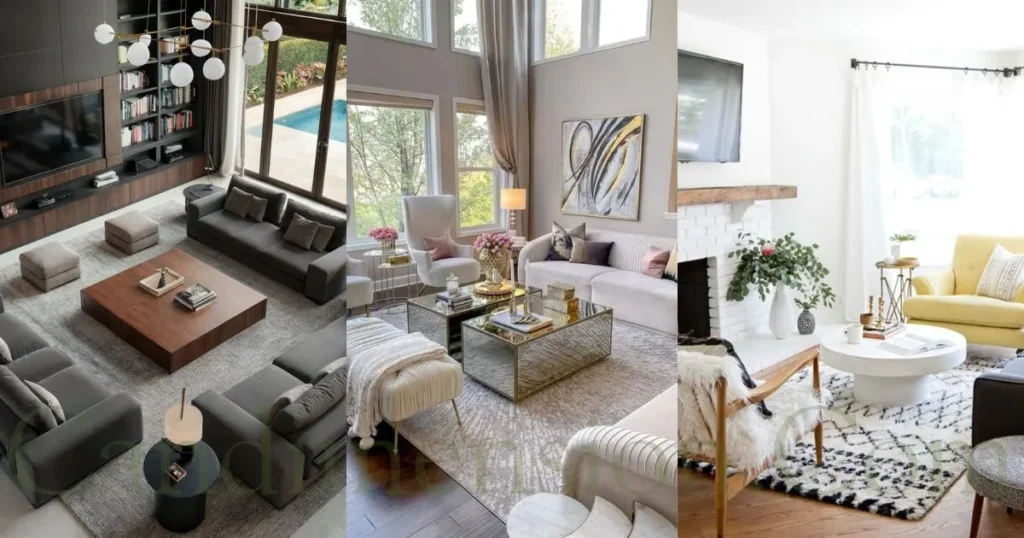
Different room dimensions serve different purposes. Understanding where your space fits helps you choose appropriate furniture and create functional layouts that enhance comfort.
Small Living Rooms (120-200 Square Feet)
Small living room spaces measure between 10×12 feet (120 sq ft) and 12×15 feet (180 sq ft). These compact areas work perfectly for intimate gatherings and efficient living.
Is a 12×12 room a good size? Yes, absolutely. A 12×12 living room provides 144 square feet, which accommodates a standard sofa, coffee table, TV stand, and one or two accent chairs comfortably. This size works wonderfully for apartments and small homes.
Medium Living Rooms (200-300 Square Feet)
Medium-sized living rooms range from 12×18 feet (216 sq ft) to 15×20 feet (300 sq ft). This represents the sweet spot for most American families, offering flexibility without feeling cavernous.
Is 15 feet wide enough for a living room? Definitely. A 15×15 room gives you 225 square feet of usable space. A 15×20 configuration provides even more versatility, allowing sectionals, multiple seating options, and clear traffic paths.
Large Living Rooms (300+ Square Feet)
Large living room dimensions start at 15×20 feet and extend to 20×25 feet or beyond. These generous spaces offer 300 to 500+ square feet for creative layouts and multiple activity zones.
Is a 20×20 living room big? Yes, 400 square feet qualifies as spacious. This size allows multiple seating areas, entertainment zones, and even a small home office corner without feeling crowded.
Is a 15×15 living room considered large? At 225 square feet, it sits at the upper end of medium or entry-level large, depending on your overall home size. It offers excellent flexibility for furniture placement and entertaining.
Is a 300 sq ft living room big? Absolutely. This exceeds the average living room size by 50 to 100 square feet, providing ample space for sectionals, multiple seating groups, and creative zoning.
Styling Tips to Maximize Your Living Room Space
Smart design strategies make any size living room feel intentional and inviting. These proven techniques work regardless of your square footage.
Make Small Living Rooms Feel Larger
Light color palettes reflect natural light and create airiness. Whites, soft grays, beiges, and pale blues visually expand compact spaces significantly.
Strategic mirror placement doubles visual depth. Position a large mirror opposite a window to bounce light and create the illusion of additional square footage. Vertical storage like floating shelves and tall bookcases draws eyes upward, making ceilings feel higher.
Multi-functional furniture maximizes utility without cluttering. Storage ottomans hide blankets and remotes. Nesting tables tuck away when not needed. Choose pieces with exposed legs—they create visual breathing room underneath.
Optimize Medium-Sized Living Rooms
Distinct zones created with area rugs define purpose without walls. Place a 5×8 or 8×10 rug under your seating area to anchor the space visually.
Layered lighting combines ambient ceiling lights, task floor lamps, and accent table lamps. This approach eliminates harsh shadows and creates warmth during evening hours. Maintain 30 to 36-inch walkways between furniture for comfortable traffic flow.
Design Large Living Rooms Without Empty Spaces
Multiple functional zones prevent large spaces from feeling vacant. Create a conversation area with sofas and chairs, a reading nook with a comfortable chair and lamp, and an entertainment zone around your TV.
Bold colors and patterns work beautifully in spacious rooms. Don’t fear deep blues, rich greens, or dramatic wallpaper—large spaces handle visual weight that would overwhelm smaller areas.
Large area rugs (8×10 or larger) anchor furniture groupings and define separate zones. Avoid pushing all furniture against walls—floating arrangements create intimacy within expansive spaces.
Other Dimensions: Badminton Court Dimensions: Size & Layout
Question’s
What is the average size for a living room?
The average living room in American homes measures 200 to 400 square feet. The most common dimension is 12×18 feet, providing 216 square feet. Urban apartments typically range from 150 to 250 square feet, while suburban homes often feature 300 to 500 square feet of living space.
What is the 2/3 rule for living rooms?
The 2/3 rule states that furniture and rugs should cover approximately two-thirds of your floor space. This creates visual balance—neither too empty nor overcrowded. The remaining third provides movement space and keeps the room feeling open and breathable.
Is a 20×20 living room big?
Yes, a 20×20 living room provides 400 square feet, which qualifies as spacious. This size exceeds the national average by nearly double and accommodates multiple seating areas, large sectionals, entertainment centers, and even workspace zones comfortably.
Is a 15×15 living room considered large?
A 15×15 room offers 225 square feet, placing it at the upper end of medium or entry-level large. It provides excellent versatility for furniture arrangement and comfortably hosts 4 to 6 people for gatherings without feeling cramped.
Is 15 feet wide enough for a living room?
Absolutely. 15 feet of width provides ample space for standard furniture arrangements. A 15×15 configuration gives 225 square feet, while 15×20 offers 300 square feet—both are excellent dimensions for comfortable, functional living spaces.
What size couch for a 14×14 room?
For a 14×14 room (196 square feet), choose a sofa measuring 78 to 84 inches in length. This size fits proportionally without overwhelming the space, leaving room for a coffee table, accent chairs, and comfortable walkways around the furniture.
What is the ideal living room layout?
The ideal layout uses a U-shape or L-shape arrangement centered around your focal point (TV, fireplace, or window). Position seating pieces facing each other or perpendicular to encourage conversation. Maintain 30 to 36-inch pathways and avoid pushing all furniture against walls.
Is a 12×12 room a good size?
Yes, a 12×12 living room provides 144 square feet, which works perfectly for small spaces. This dimension accommodates a standard sofa, coffee table, TV stand, and one or two accent chairs comfortably—ideal for apartments and cozy homes.
Is a 300 sq ft living room big?
Yes, 300 square feet exceeds the average American living room size by 50 to 100 square feet. This generous space allows sectionals, multiple seating options, entertainment areas, and creative zoning without feeling cramped or cluttered.
Conclusion
The average living room size ranges from 200 to 400 square feet, with 12×18 feet being most common. But size matters less than smart design—any dimension works beautifully with proper furniture selection and thoughtful layout.
Small rooms thrive with light colors and multi-functional pieces. Medium spaces offer perfect flexibility for most families. Large rooms need intentional zoning to feel cozy rather than empty.

Haru, the dedicated Admin of candimension.com, curates an informational blog on Can Dimension. With passion and expertise, Haru delivers insightful articles to educate and empower readers on this fascinating niche.