Taking official American records overseas rarely ends with a simple handover. Foreign governments typically refuse to accept them without proof of authenticity. They need confirmation that your documents came from a legitimate source. This guide explains which federal records typically require certification. You’ll learn how the process works, where people get stuck, and what to check before submitting anything.
Why Federal Documents May Need Authentication Abroad
Foreign officials cannot access U.S. databases directly. They have no way to verify whether your FBI report or Social Security letter is genuine. Without independent confirmation, they won’t accept your paperwork. Federal document authentication fills this gap. It provides official verification that your records are legitimate and issued by the proper authority. Many people turn to document authentication services to simplify this process and reduce the risk of errors.
When Foreign Authorities Ask for U.S. Documents
Visa applications trigger most authentication requests. Residency petitions follow closely behind. International job offers, adoptions, university enrollments, and marriage registrations abroad also prompt these demands. In every scenario, officials need assurance. They must confirm your background, qualifications, or legal status before approving your request.
Why an Apostille Confirms Official Document Validity
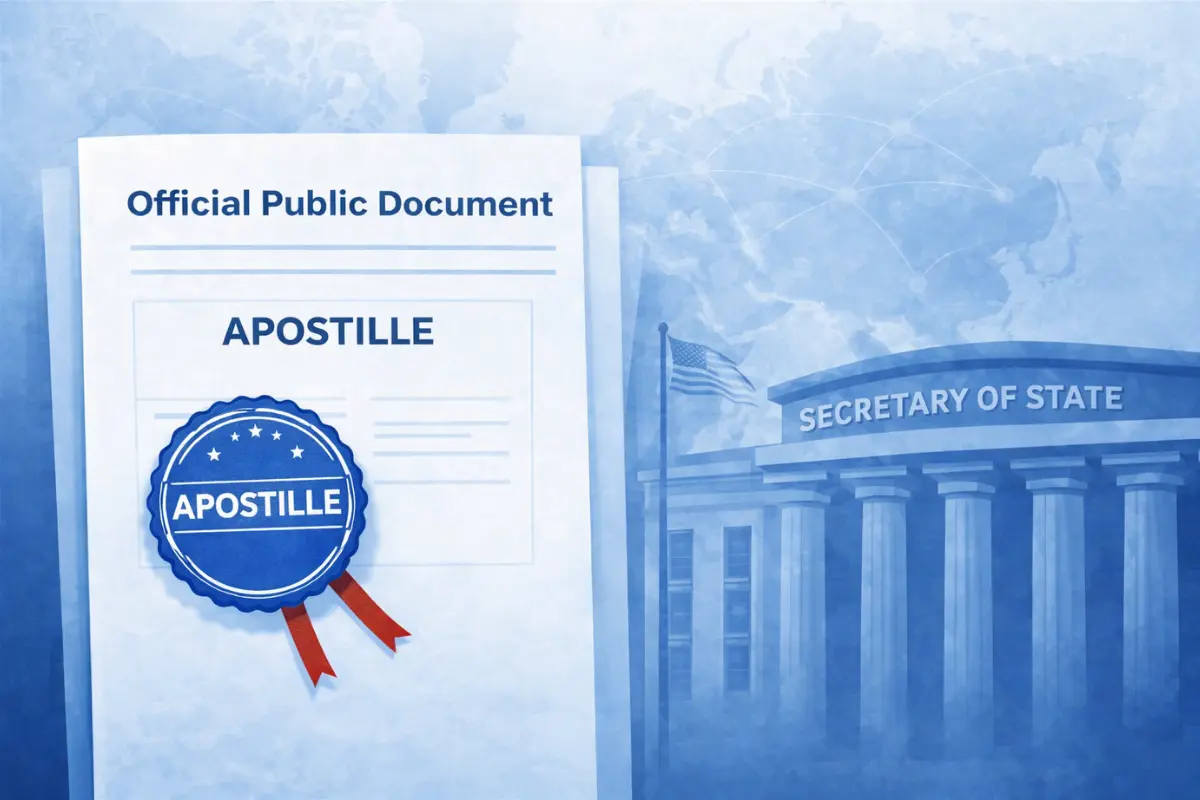
An apostille functions as a verification certificate. It authenticates the signature and seal on your original document. This tells foreign authorities that the issuing official had proper jurisdiction and authority. For Hague Convention members, the single certificate replaces what once required multiple embassy visits. The process is straightforward and efficient for participating countries.
When Embassy Legalization May Be Required Instead
Not every nation joined the Hague Convention. Those outside the agreement follow a different route called legalization. Your documents must first receive federal authentication, then go through embassy certification. This two-stage approach extends your timeline considerably. Additional fees apply at each step. Checking your destination’s membership status before starting prevents unwelcome surprises.
The Difference Between Federal and State-Issued Documents
Records come from different government levels. Each follows its own certification path. Sending paperwork to the wrong office guarantees rejection and forces you to start over.
What Counts as a U.S. Federal Document
Federal records originate from national agencies. The FBI provides criminal history summaries. The Social Security Administration issues benefit verification letters. Federal courts produce orders, judgments, and bankruptcy filings. These documents carry signatures from federal officials. Their authority comes from Washington. Only federal offices have the power to authenticate them.
Why State Certificates Follow a Different Apostille Process
Birth certificates, marriage licenses, and death records come from state registrars. Each secretary of state runs its own authentication operation. Procedures, timelines, and fees vary from one jurisdiction to another. State employees cannot process federal records. County officials lack jurisdiction over national documents. The two systems remain entirely separate.
How Choosing the Wrong Authority Can Delay Submission
This mistake happens constantly. People send FBI reports to state capitals. They forward federal court documents to local offices. In each case, the submission returns unprocessed.
Several consequences follow from this error:
- Return shipping consumes valuable days.
- Resubmission to the correct office adds more time.
- The entire process stretches by two to four weeks.
Verifying the appropriate office before mailing prevents this entirely avoidable frustration.
Common Federal Documents That May Require an Apostille
Several record types need certification regularly. Knowing which ones apply helps you prepare effectively.
FBI Background Checks and Criminal History Reports
An FBI background check apostille appears constantly in visa work. Immigration officials routinely require it. International employers ask for it too. Even adoption agencies frequently demand this certification.
The Identity History Summary must display the FBI seal. Reports showing no criminal activity still need authentication. Foreign authorities require proof that the document originated with the bureau.
Federal Agency Letters and Official Records
Social Security sends benefit verification letters. These sometimes need certification, particularly for international pension claims or social security agreements. Other agencies generate certifiable records as well. The Department of Agriculture issues animal health certificates for exports. The Office of Personnel Management provides employment verifications. Each follows the same federal authentication procedure.
Federal Court, Business, or Regulatory Documents
Legal matters often generate certification needs. Bankruptcy filings travel overseas. Patent applications require authentication for international registration.
Common examples include:
- Federal court orders and judgments.
- Trademark registrations and patent certificates.
- Regulatory approvals from federal agencies.
Companies expanding internationally frequently need these records verified. Every case follows the established federal pathway through the Department of State.
What to Check Before Starting the Federal Apostille Process
Small oversights cause major delays. A few preliminary checks prevent most problems.
Confirm the Destination Country’s Requirements
Find out whether your destination accepts apostilles. The Hague Convention publishes updated lists of member countries online. If your destination is a member, you need only State Department processing. Non-member countries require embassy involvement too. This knowledge shapes your entire approach.
Check Whether the Document Is Original, Digital, or Certified
Federal authorities need physical copies. Digital versions and home printouts do not qualify. If you received your report as a PDF, request a printed version on official letterhead. Some offices offer electronic apostilles, but federal processing typically requires hard copies with original seals.
Make Sure Names, Dates, and Details Match Other Records
Foreign officials cross-check all your documents against each other. Inconsistencies attract immediate scrutiny. Your FBI report should match your passport exactly. Even minor variations raise questions and trigger additional verification requests.
Common Mistakes That Delay Federal Apostille Requests
Even careful applicants make errors. Learning about these pitfalls helps you stay on track. The following issues account for most rejected submissions.
Treating a Federal Document Like a State Document
This remains the most frequent mistake. People assume all records follow the same pathway. They send FBI reports to state secretary offices, expecting state employees to handle them. State workers promptly return these submissions unprocessed. You lose shipping time and processing time. Knowing which documents are federal prevents this waste.
Sending an Incomplete or Unacceptable Copy
Photocopies fail instantly. Scanned versions do not work either. Printouts from PDFs are equally unacceptable. Only originals or certified copies with official seals qualify. Some applicants add notarization to federal records. This invalidates them for apostille processing. Federal documents should arrive exactly as issued, without alterations.
Missing Country, Contact, or Return Shipping Details
Form DS-4194 asks for your destination country. Leaving this section blank triggers automatic rejection. Your request returns without processing. Return shipping causes more problems too. Forgetting a prepaid label means your documents stay in an office indefinitely.
Several common oversights lead to these delays:
- Incomplete forms trigger rejection.
- Missing return labels delay delivery.
- Incorrect fees cause processing stoppages.
Always double-check every field and include all required materials before mailing.
When Federal Apostille Services Can Be Helpful
Professional assistance makes sense in certain situations. Recognizing these cases saves stress and prevents costly errors. Here’s when turning to experts is worth considering.
When the Document Type or Authority Is Unclear
Some records do not fit into neat categories. Determining jurisdiction becomes confusing, especially with documents that cross between federal and state authorities. Document authentication services review your paperwork before submission. They catch potential issues early. Their expertise prevents expensive rejections and resubmissions.
When Federal and State Documents Must Be Submitted Together
Visa applications often require both types of records. An FBI background check accompanies a state-issued birth certificate. Each document goes to a different office. Coordinating this alone becomes complicated. Professional services handle the logistics. They route documents to appropriate authorities while tracking progress through each stage.
When Deadlines Are Short or International Requirements Are Confusing
Standard State Department processing takes weeks. Federal apostille services offer expedited options that dramatically shorten this timeline. Complex international rules add further challenges. Translation requirements vary between countries. Validity periods differ significantly.
Professional guidance helps you navigate these nuances without guesswork, which is especially valuable when you need an apostille for work abroad and timelines are tight.
Common Situations Where Federal Apostilles Are Needed
Certain life events regularly trigger certification requests. Knowing them helps you prepare in advance. The following scenarios cover the most typical situations.
Immigration, Residency, or Visa Applications
Moving abroad almost always requires authenticated records. Immigration officers routinely demand FBI background checks as part of their screening process. Residency petitions may also request Social Security verification letters. Each document needs certification before foreign authorities accept it, making apostille for immigration a standard step in the relocation process.
Overseas Employment, Teaching, or Licensing
International job offers frequently require certified background checks. Teachers, healthcare workers, and government contractors face this requirement regularly. Some countries also demand proof of professional standing. Certified federal records demonstrate your qualifications to foreign employers and licensing boards.
International Business, Legal, or Administrative Use
Corporate relocations bring certification needs. Cross-border contracts often require authenticated records. International legal proceedings demand verified documentation. Typical examples include patent filings, trademark registrations, federal court orders for enforcement abroad, and regulatory compliance certificates. Properly authenticated records carry weight in foreign jurisdictions.
Checklist Before Requesting a Federal Apostille
Following these steps prevents common oversights. Each item addresses a frequent source of delay or rejection. Taking a few minutes to run through this list can save weeks of back-and-forth with government offices.
Identify Whether the Document Is Federal or State-Issued
Confirm who issued your record. National agencies require federal processing through the State Department. State and local authorities go through secretary of state offices. This determination affects every subsequent decision you make.
Confirm the Required Authentication Type
Verify whether your destination accepts apostilles or requires legalization. This affects both timeline and overall cost. Hague members need standard federal apostille processing. Non-members require embassy involvement too.
Prepare the Correct Format and Shipping Information
Gather your original document. Make sure your submission package includes:
- Original document with official seals.
- Completed DS-4194 form.
- Payment of $20 per document.
- Prepaid return shipping label.
Double-check every field before mailing. Errors trigger processing delays or outright rejection.
Final Thoughts
Determining which U.S. federal documents need an apostille comes down to two factors: your issuing authority and your destination country. Careful preparation keeps the process moving smoothly. For urgent or complex situations, federal apostille services provide reliable support when you need it most.